Free LASIK Consultation: Call (855) 875-2020 9:00am–5:00pm

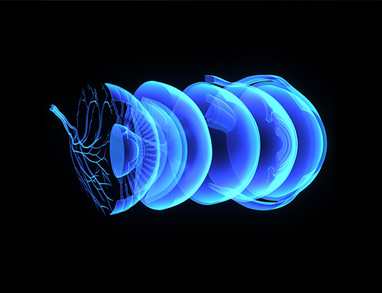

Retinal diseases are a group of conditions that affect the retina, the thin layer of tissue at the back of the eye responsible for capturing light and sending visual signals to the brain. These diseases can lead to vision loss or even blindness if not detected and treated early. Our eye doctors can help diagnose and treat your retinal disease with the latest technology and personalized care. It is important to consult an eye doctor promptly if you experience any vision changes or symptoms, as early detection and intervention can be critical.
Some of the most common retinal diseases we treat include age-related macular degeneration (AMD), diabetic retinopathy, retinal vein occlusion, and retinal detachment. Risk factors for these conditions include age, family history, diabetes, high blood pressure, and smoking.
A retinal tear occurs when the vitreous fluid in the center of the eye shrinks and pulls on the layer of retinal tissue that lines the back of the eye. This can break the tissue. The symptoms of retinal tears include seeing flashing lights and eye floaters. Treatment commonly involves laser surgery. Some of the risk factors for retinal tears include extreme nearsightedness, family history, previous eye surgery or injury, and advanced age
Gain a deeper understanding about the topics, conditions, and procedures discussed on this page by watching our informational videos.
Retinal detachment is when the retina pulls away from its normal position and is considered an emergency situation. While this condition is painless, symptoms may include flashes of light in one or both eyes, blurred vision, a sudden appearance of many floaters, gradually reduces peripheral vision, or a show-like curtain over your field of vision. It is important to seek medical attention immediately if you are experiencing these symptoms, as retinal detachment is a medical emergency and may cause permanent vision loss. A dilated eye exam (using eye drops) will be performed to diagnose this condition, and retinal detachment surgery is needed to correct retinal detachment and prevent retinal detachment in the future.
If you have diabetes, the capillaries and small blood vessels in the back of your eye can break down and leak fluid into the retina. This can cause the retina to swell and push on the optic nerve, leading to blurred or distorted vision. There is no cure; however, early treatment (like laser treatment and intraocular injections) from our retina specialists can be very effective at preventing further vision loss.
Epiretinal membrane is a tissue-like membrane or scar that lays on top of the retina. It pulls on the retina, causing distorted vision. This condition does not always require treatment. However, in more severe cases, surgery is needed to remove the membrane if severe vision loss occurs.
A macular hole occurs when a tear forms in the macula, or the part of the retina at the back of the eye. This tear can cause your central vision to become wavy, blurry, or distorted, and may even become a blind spot over time. The main risk factor of this condition is age, though it can also be caused by other eye diseases or an eye injury. A surgery called vitrectomy is the most effective way to treat a macular hole. Macular edema can lead to a macular hole.
Macular degeneration causes the center of the retina to break down or deteriorate. This results in blurred central vision or blind spots in the center of the visual field. There are two types of macular degeneration, including dry and wet. Common treatment options include anti-angiogenic drugs, laser therapy, or photodynamic laser therapy.
Branch retinal vein occlusion (BRVO) occurs when one of the small branch retinal veins that drain blood from the retina becomes blocked, often due to a blood clot. This blockage can cause blood and fluid to leak into the retinal tissue, leading to swelling, macular edema, and damage that may result in sudden vision loss, blind spots, or distorted vision. BRVO is more common in individuals with high blood pressure, diabetes, or other vascular conditions. Prompt diagnosis and treatment are essential to minimize the risk of permanent vision loss and preserve your sight.
Retinitis pigmentosa is a degenerative disease that is inherited. It slowly affects the retina, causing loss of side vision and night vision. While there is no cure for retinitis pigmentosa, there are some options to slow vision loss. These include a medication called Acetazolamide, Vitamin A palmitate, a retinal implant, or wearing sunglasses.
Treatment for retinal diseases depends on the specific condition, its severity, and how much vision has been affected. We may recommend a range of options, including medications, laser treatments, or surgical procedures. For example, retinal detachment often requires urgent eye surgery to reattach the retina and prevent severe vision loss. Diabetic retinopathy may be managed with anti-VEGF injections or laser therapy to control abnormal blood vessel growth and reduce the risk of vision loss. Other conditions, such as a macular hole, may require vitrectomy surgery to restore vision. The key to successful retinal disease treatment is early diagnosis and prompt intervention. Regular eye exams and immediate attention to symptoms of retinal disease can help restore vision, prevent further damage, and maintain your eye health.
We specialize in advanced treatments for many retinal diseases and are dedicated to improving our patients’ overall health and wellness. If you would like to learn more treatments for retina eye diseases or schedule an appointment, contact Kung Eye today!
Please call our New York office at (929) 429-2928 or our New Jersey office at (732) 724-2535 with any questions you may have.
STATEN ISLAND, NY EAST BRUNSWICK, NJ
 Introduction Videos
Dr. Kung’s mastery in ophthalmology means you will receive thoroughly informed recommendations for vision correction and maintenance, and that your treatment will be expertly performed for the best possible results.
MEET THE DOCTORS