Free LASIK Consultation: Call (855) 875-2020 9:00am–5:00pm

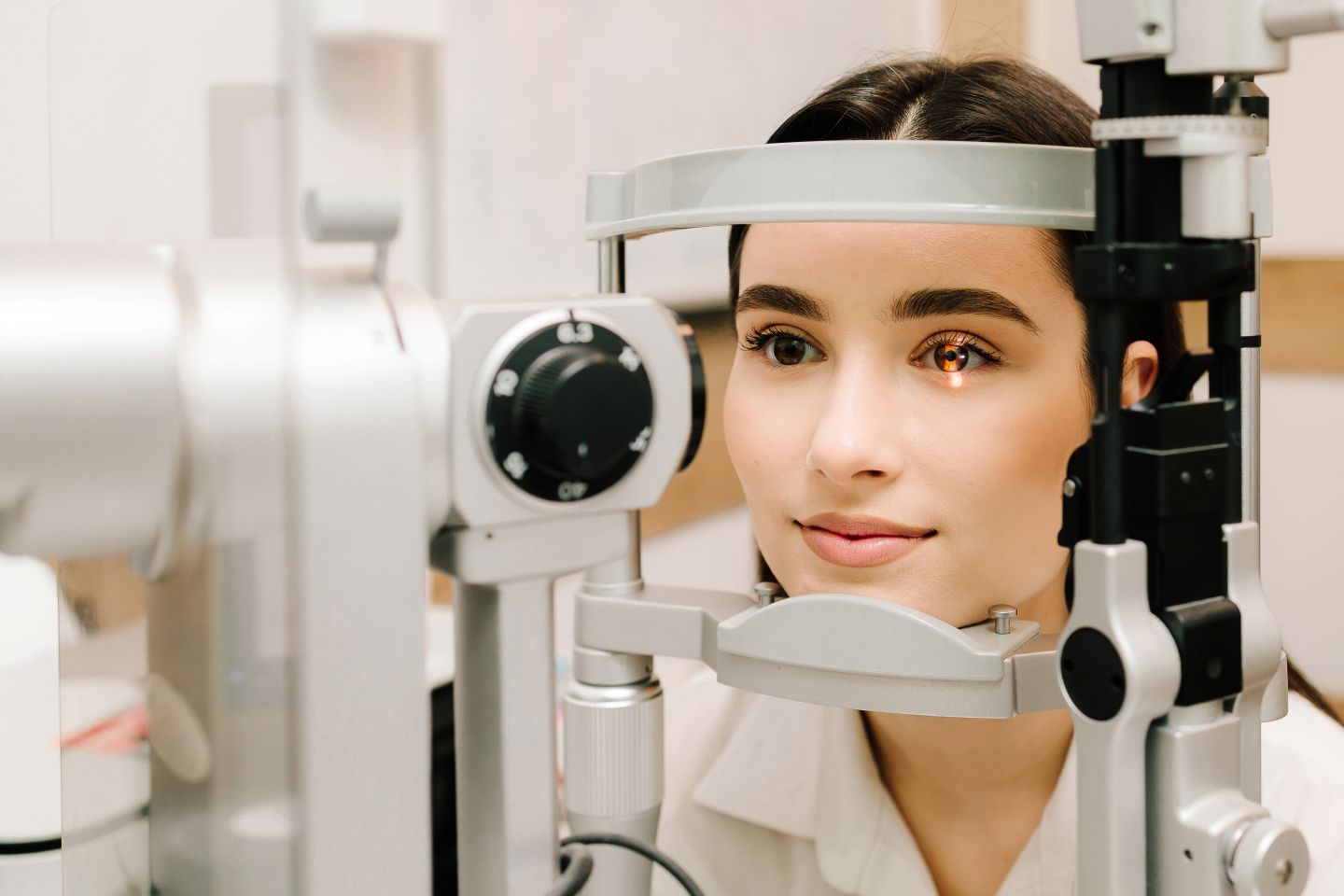
If you are weighing LASIK vs PRK: which is right for you is a question worth exploring carefully, because both procedures use laser technology to reshape the cornea and reduce dependence on glasses or contact lenses, yet they differ in meaningful ways. The right choice depends on your corneal anatomy, lifestyle, and personal health history. At Kung Eye Center in Staten Island, NY, Dr. Kung brings decades of firsthand experience with laser vision correction, including a direct role in its development, to help each patient arrive at the most informed decision possible. We encourage you to contact Kung Eye Center to schedule a consultation.
LASIK eye surgery stands for Laser-Assisted In Situ Keratomileusis. During the procedure, the surgeon creates a thin flap in the outer layer of the cornea, lifts it, and applies an excimer laser beneath to gently reshape the corneal tissue. The flap is then repositioned, where it adheres naturally without the need for sutures.
LASIK may help reduce or eliminate nearsightedness, farsightedness, and astigmatism. Most patients notice improved vision within 24 to 48 hours, and many return to daily activities the following day. Mild dryness or light sensitivity can occur in the days following treatment. LASIK is among the most widely performed refractive procedures in the world, and bladeless LASIK options now allow the flap to be created entirely with laser energy rather than a mechanical blade, which many patients find reassuring.
PRK, or Photorefractive Keratectomy, is the procedure from which LASIK evolved. Rather than creating a corneal flap, the outer surface layer of the cornea, called the epithelium, is gently removed before the excimer laser reshapes the underlying tissue. The epithelium regenerates naturally over the course of several days.
PRK may be particularly well-suited for patients who have thinner corneas, drier eyes, or active lifestyles that carry a higher risk of eye contact, since there is no flap that could be disturbed. The visual recovery timeline for PRK is typically longer than for LASIK, with most patients reaching stable vision over several weeks rather than days. Temporary blurring and mild discomfort during epithelial healing are common. However, the long-term visual outcomes between LASIK and PRK are considered comparable by current research.
LASIK and PRK both correct nearsightedness, farsightedness, and astigmatism, but they differ in technique and recovery. LASIK involves creating a thin corneal flap, then applying the laser beneath it; patients typically notice improved vision within 24 to 48 hours and experience minimal downtime. Because a flap remains, though, extra care around contact sports is recommended during healing.
PRK skips the flap entirely: the outer layer of cells (the epithelium) is removed so the laser can treat the surface directly. Vision sharpens gradually over several weeks rather than days, and patients wear a protective contact lens while the surface heals. This flap-free approach often appeals to those with active lifestyles, since there’s no risk of dislodging a flap during physical activity.
Candidacy tends to follow a similar pattern: LASIK suits eyes with adequate corneal thickness and only mild to moderate dry eye, while PRK is often better suited to thinner corneas, more pronounced dry eye, or patients whose daily activities make flap-free healing the safer choice.
The information above outlines the practical differences, but candidacy for either procedure involves nuances that only a comprehensive evaluation can reveal. Corneal topography, pupil size, refractive prescription, and tear film quality all factor into the recommendation. Neither procedure is universally superior; each excels in specific clinical contexts. A thorough pre-operative assessment at Kung Eye Center ensures that the recommendation you receive reflects your individual anatomy, not a one-size-fits-all protocol.
Take our LASIK self-test to see whether laser vision correction may be appropriate for you, then schedule a consultation to discuss your results with Dr. Kung.
Patients who are generally good candidates for LASIK tend to have sufficient corneal thickness to allow safe flap creation, a stable refractive prescription for at least one to two years, and no significant history of dry eye disease. Those who spend most of their day in an office environment and want a faster visual recovery often find that LASIK aligns well with their lifestyle and recovery expectations.
PRK may be a better fit for patients with thinner corneas that cannot safely accommodate a flap, those with more pronounced dry eye concerns, or individuals whose occupations or recreational activities involve a higher likelihood of eye impact, such as contact sports or certain military roles. Because there is no flap to protect, PRK carries no risk of flap-related complications, which can make it the more appropriate choice in those circumstances.
There are also patients for whom neither LASIK nor PRK is the optimal path. In those cases, a lens-based option such as refractive lens exchange may offer a more suitable alternative, and Dr. Kung will discuss every available option during your consultation. Our team at Kung Eye Center is committed to giving you an honest, personalized assessment rooted in your unique anatomy and vision goals.
Dr. Kung is not simply a practitioner of laser vision correction; he has been a contributor to its evolution. He has played a direct role in the development of laser eye correction techniques and has invented surgical instruments that have been adopted widely across the field. Fellow ophthalmologists regularly observe his work to refine their own skills, which speaks to a level of expertise that is genuinely rare.
Dr. Kung holds board certification from the American Board of Ophthalmology and is a member of the American Society of Cataract and Refractive Surgery, the International Society for Refractive Surgery, the American College of Eye Surgeons, and the American Academy of Ophthalmology, among other distinguished organizations. He has been recognized as both a Castle Connolly Top Doctor and a New York Times SuperDoctor.
What sets Kung Eye Center apart is that this level of clinical distinction exists alongside a genuinely personal approach to care. Every patient is treated as a member of our extended family. Read what patients say on our testimonials page to hear their experiences firsthand.
The cost of LASIK and PRK can vary based on the technology used, the complexity of your prescription, and your geographic area. PRK is sometimes priced comparably to LASIK, but factors such as the need for longer follow-up care during recovery may affect the overall investment. We recommend discussing pricing and any available financing options directly during your complimentary consultation at Kung Eye Center.
LASIK and PRK address the same vision concerns through different approaches, so they are not typically combined. However, in some cases, one eye may be treated with LASIK while the other receives PRK based on differing anatomy between eyes. This type of individualized planning is exactly the kind of nuanced decision that benefits from evaluation by an experienced refractive surgeon like Dr. Kung.
LASIK generally involves a faster recovery, with most patients noticing significantly improved vision within one to two days. PRK recovery takes longer because the surface epithelium must regenerate, a process that typically spans several days to a few weeks. During PRK recovery, a bandage contact lens is often worn. Both procedures require patients to avoid rubbing their eyes and to attend all scheduled follow-up visits.
Look for a board-certified ophthalmologist with extensive experience in refractive surgery specifically, not just general eye care. Verify memberships in recognized professional organizations such as the American Society of Cataract and Refractive Surgery. Equally important is whether the practice uses current diagnostic technology to assess candidacy. A provider who offers a thorough pre-operative evaluation and a genuine willingness to recommend against surgery when it is not appropriate is a strong indicator of trustworthy care.
Research suggests that the long-term visual outcomes of LASIK and PRK are largely comparable for appropriate candidates. Both procedures aim to reduce or eliminate refractive error using the same excimer laser technology; the primary difference lies in how the corneal surface is accessed. Some studies indicate that PRK may carry a slight advantage in certain high-risk corneal profiles. Individual results may vary, and your surgeon’s pre-operative assessment will clarify what you can reasonably expect.
If you are still weighing LASIK vs PRK and which is right for you, the clearest path forward is a conversation with Dr. Kung. Kung Eye Center serves patients throughout Staten Island, NY, and East Brunswick, NJ, with consultations designed to answer your questions and outline a plan built entirely around your eyes. Contact Kung Eye Center today to schedule your visit, or call us directly to speak with our team.
Please call our New York office at (929) 429-2928 or our New Jersey office at (732) 724-2535 with any questions you may have.
STATEN ISLAND, NY EAST BRUNSWICK, NJ


